8/10
Warlord: Britannia March a Legion Through Britannia
Raise marching camps, staff your Centuries with officers and take the island one settlement at a time.
Is Warlord: Britannia for you?
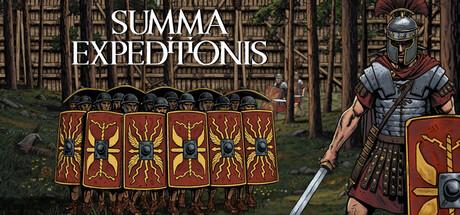
Warlord: Britannia puts you in a Roman General's boots on an island of forests, hills and bare highlands, and lets you conquer it from one steady first-person viewpoint: build a marching camp, staff up to 15 Roman Centuries, then walk into the fight with your men. Building and relocating camps gives the campaign a satisfying strategic rhythm, promoting individual soldiers earns you real attachment to the Legion, and the historical detail in gear, names and tactics rewards anyone with an interest in the period. Managing unrest and reacting to raids keeps the conquest tense. The combat itself stays thin, with choices mostly limited to standing still or charging, and the loop grows repetitive after a few hours. For history-minded players who like base building and slow conquest more than intricate battlefield tactics, it has plenty to offer.
- Single-player
- 1 player
- Windows

What’s good
- Building and relocating marching camps is fun and strategic
- Leading a legion from first-person feels immersive and powerful
- Historical accuracy in gear and tactics appeals to history fans
- The developer is active and responsive to the community
- Promoting individual soldiers creates attachment to your army
- The open world offers seamless exploration across distinct zones
- Managing unrest and reacting to raids adds tension
What’s not
- Combat lacks tactical depth beyond standing still or charging
- Repetitive gameplay loop becomes boring after a few hours
- Pathfinding issues cause troops to get stuck or block each other
- Performance drops significantly during large battles
- Game crashes and save corruption result in lost progress
- UI elements are small and hard to read
- Base building alignment can be frustratingly imprecise
- Walking between locations takes too much time without fast travel
Take command of a Roman Legion in first-person and march it across Ancient Britain. Fell trees for palisade walls, pitch a marching camp, then pack it up and move when the ground turns dangerous. Fight alongside your legionaries as you conquer settlements, keep unrest in check, and push from the forested Lowlands up into the desolate Highlands.
Command from the first-person perspective
Most strategy games hand you a map and a cursor. Warlord: Britannia keeps you behind your Roman General's eyes instead, so each order is given from the spot on the ground where your legionaries stand. From there you move a large army across the open world, raise camps, take settlements, and spoil the plans of enemy forces without that viewpoint ever slipping away. It blends first-person play with strategy in a way that gives the game a genre of its own.
That choice changes how a campaign feels. A decision to march on a stronghold is a walk you actually take, with the army behind you, and a base you build is a place you stand in. When the fighting starts you wade into it yourself, trading blows with your legionaries and shifting the outcome of the battle while it unfolds.

One island, three zones
The campaign unfolds on a single island of more than 45 square kilometers, split by latitude into three geographic zones that look clearly different from one another. Your occupation begins in the densely forested Lowlands, where the trees press close to the roads. Northward the land opens into the Midlands, gentle country of hills and worked farms, and further north still the Highlands rise, bare and forbidding. The country under your feet changes as you conquer it.
The three zones blend into one another with no loading screen anywhere along the way. Each push north is a single unbroken advance, so you can watch the next stretch of ground appear ahead of you and judge what kind of campaign it will ask for.

Marching camps on the advance
Conquering the island means carrying your presence with you, and that's what the marching camps are for. You clear the forests around a chosen spot, fell the trees and stack them into palisade walls, and a patch of ground becomes a Roman position. Guards take up posts along the perimeter and keep watch through the night, so a camp you have built is a place you can hold.
The walls never commit you to the ground they stand on. You can strike the whole camp at will and relocate it, and that freedom opens up complex strategic maneuvers: pull back when conditions turn dangerous, or shift forward to shorten the march on a target you want next. Choosing where to sit, how long to stay and when to pack up is a campaign decision in itself.

Staffing a Legion for battle
Your Legion takes shape one Roman Century at a time, up to 15 of them along with their officers. Each unit you recruit is another block of men on the field, and by the time the Legion is fully staffed the battles it walks into are large ones: hundreds of Romans and Britons clash and die across the battlefield, with you among them.
What the Legion is for is the conquest itself. Point it at local strongholds and towns and take them by force, strip the settlements you hold of their goods, levy crushing taxes on what's left, and load the population onto ships bound for Rome. Those are hard choices with a real edge to them, and they weigh on the island as your campaign goes on.

Warlord: Britannia questions?
What does it feel like to command the army?
You never leave your Roman General's eyes, and every command comes from a body standing on the ground with the men. The view is always first-person, along with the order giving, the marching and the camp work. Battle draws you straight in as well, where you stand with your legionaries and swing through the fight yourself.
How large is the map you conquer?
The island covers more than 45 square kilometers and is split by latitude into three visually distinct zones: the densely forested Lowlands, the Midlands of hills and farms, and the imposing, desolate Highlands. They flow into each other with no loading screen along the way. Your advance from one zone into the next stays completely unbroken.
Can you move your base once you build it?
Yes. A marching camp can be packed up and relocated at any time, which allows complex strategic maneuvers: pull back when conditions get dangerous, or shift forward to shorten the next march. You choose where to build, how long to stay and when to strike the whole thing down.
What kind of combat can you expect?
Large set-piece battles where hundreds of Romans and Britons clash and die, and where you fight directly with your legionaries instead of watching from above. The fighting itself stays fairly simple, with options mostly limited to standing your ground or charging. Troops can also get stuck on each other during a push, and performance drops during the biggest engagements.