
 6/10
TOXIKK™ for shooter fans
TOXIKK is an arena shooter built for speed: double jumps, dodging and weapons scattered across sci-fi arenas. You respawn within seconds, grab a rocket or shotgun, and fight deathmatches against bots or real opponents. No perks or loadouts tipping the fight, just your aim and your knowledge of the map.
TOXIKK delivers the fast, skill-based arena shooting of late 90s classics with polished graphics, a varied arsenal and maps that revive Deck 13 and CUBE. Its fluid movement of double jumps, dodges and wall dodges is the main event, and it rewards aim, timing and weapon rotation over any loadout plan. Offline play holds up: Blood Arena with adjustable bots plus the built-in editor give you something to do when the lobby is quiet. The multiplayer base is small and often inactive, so human matches depend on timing. As an arena shooter it's worth having for the movement and the fights, though the quiet player list shapes how often you get them.
- Single-player
- Online co-op
- Online PvP
- Windows


What’s good
- The gameplay captures the fast-paced, skill-based arena shooter feel of late 90s classics like Unreal Tournament
- The movement system with double jumps, dodging, and wall jumps feels fluid and responsive
- The offline bot mode provides a solid experience for practicing or playing without an active online community
- The graphics are polished and visually appealing for an indie title
- The weapon arsenal offers variety and satisfies the need for classic arena shooter combat
- The maps include reimaginings of classic levels like Deck 13 and CUBE
What’s not
- The multiplayer player base is small and often inactive
- Some weapons feel unbalanced or lack imaginative design compared to genre predecessors
- The skill rating system can lock high-level players out of matchmaking with humans
- The single-player campaign content is limited in scope
An arsenal that wants every gun in your hands
TOXIKK builds its fights on the simple, intuitive mechanics of classic FPS giants, set in a fresh sci-fi world with slick graphics, its new ideas elaborated with Arena-FPS enthusiasts. Fights come down to aim, timing and quick decisions, with no loadout grind deciding the outcome in advance.
The arsenal is deliberately balanced, so no single gun solves every fight. A rocket launcher wins the open lane and punishes a grouped team, the Bullcraft Shotgun owns the close corner, and the Ravagen CQC Saw chews through anyone who gets careless at short range. Because each weapon earns its place, you're pushed to use all of them, swapping as the distance changes instead of clinging to one favorite. Movement is improved over UT3, which keeps those weapon choices in constant motion: you're always closing or breaking distance, and the right gun is the one that fits where you stand.

Double jumps, wall dodges and a three-second cloak
The gameplay is very fluid. The whole kit chains, one dodge flowing into the next without resetting your rhythm, so it plays and feels like a combat arena shooter should. A Jetpack offers another route upward, useful on maps where the duel is decided by who reaches the ledge first.
The cloak ability lasts a whole 3 seconds. That covers an unsure corner nicely: you drift through the doorway, spot what's waiting, and break the cloak with the fight already underway. Mega Health and Quad Damage sit out in the open lanes, and movement this quick keeps you crossing them, deciding each time whether the pickup is worth the exposure.

Deck 13 returns, and the flag has a ride
The assortment of levels mixes brand new maps with re-vamped classics. Deck 13 from UT makes a triumphant return, so a route you already know runs under slick graphics, while CUBE, also known as Level 7 from DOOM 2, arrives the same way: familiar bones, rebuilt for this game. Learning a revived map is its own game, since the corners you remember from years ago are the corners you now have to double jump out of.
The gamemodes are the standard ones: Deathmatch, Team Deathmatch, Domination and Capture the Flag, with vehicle versions of those to try. Deathmatch strips everything back to you against the room, which puts your movement and weapon rotation on trial with nobody to blame. In Team Deathmatch and Domination you share lanes with allies, and holding ground takes as much attention as landing the frag itself, while Capture the Flag gives every dodge jump a purpose, since the route out with the flag is the route you just cleared going in. Vehicle versions change the geometry of that plan: the same map reads differently once a vehicle is on it, and the decision of when to leave it and move on foot decides the next few seconds.
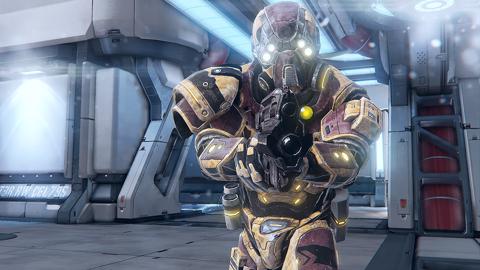
Blood Arena keeps the lobby warm
Blood Arena is the singleplayer mode: you step in against bots whose level you can adjust. Turn them down and you get a laid-back round for practicing your movement; turn them up and the match tightens, which makes it a decent spot to test a weapon rotation or a wall dodge route without waiting on a human lobby. The bots are decent offline, and the single-player experience is at least imaginatively built, so an empty player list doesn't leave you with nothing to do.
Blood Arena becomes the test bench: you build a layout, drop bots in, and find out whether a lane actually plays the way it looked on screen. The singleplayer side covers limited ground. It works as practice and variety between multiplayer sessions, and nobody is meant to play it through as a campaign in order.
What players ask before the first match?
What makes TOXIKK different from military shooters?
You get the straightforward gunplay of classic FPS giants in a fresh sci-fi setting with slick graphics, and the new ideas in it were elaborated alongside Arena-FPS enthusiasts. The class-and-loadout playbook doesn't apply here: no kit decides a fight before it starts. The arsenal stays balanced so you use every weapon you carry, and the outcome lands on aim, timing and quick decisions. Movement is improved over UT3, which keeps those choices moving as you cross a map.
Can you play without other players online?
Yes. Blood Arena is the singleplayer mode, where you fight adjustable bots: turn them down for a laid-back round of practice, turn them up and the match tightens. The bots hold up offline, and the singleplayer side is at least imaginatively built. An empty lobby still leaves you with something to do. A built-in map editor lets you build a layout and drop bots in to test it. The campaign scope stays limited. This side works as practice and variety between multiplayer sessions, and nobody plays it through as a story in order.
How does the movement system work?
The movement is fluid and chains together. The kit runs like UT2004: a double jump into a dodge, a dodge jump off the floor or a wall dodge to swing around a corner, alongside quick side jumps, elevator jumps and rocket jumps. A Jetpack offers another route upward on maps where reaching the ledge first decides the duel. The cloak ability lasts a full 3 seconds, enough to cross an unsure corner and see what waits there before the fight begins. Mega Health and Quad Damage sit in open lanes, and moving this fast keeps you crossing them, each pass a decision about whether the pickup is worth the exposure.


