
 9/10
Coffee Talk Tokyo Brew, listen, and shape the night
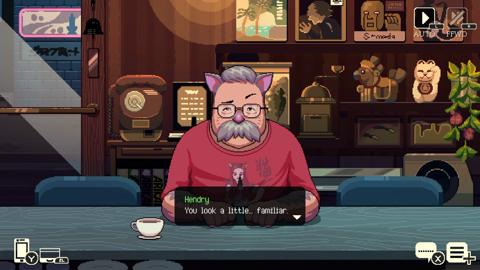
A late-night café in Tokyo offers refuge from the sweltering summer heat, and you spend your shifts behind the counter brewing hot and cold drinks for humans and yōkai. Each customer opens up about love, loss, identity and second chances, and what you say, and when you serve it, shapes where those stories land.
Is Coffee Talk Tokyo for you?
Coffee Talk Tokyo is a calm visual novel about running a late-night café counter, brewing drinks and listening while the branching conversations carry you toward one of several endings. The lo-fi soundtrack, hand-drawn look and satisfying latte art make it an easy place to spend a quiet evening, and the heartfelt stories about everyday struggles give it real emotional weight. Tomodachill deepens the world with hidden posts and clues, though the notifications pile up and can interrupt the flow. The writing sometimes pushes its points too hard and a few characters stay hard to connect with, while dialogue can repeat or run long. It's a low-pressure, story-first game that rewards slowing down, pouring a drink and finding out where the talk leads.
- Single-player
- 1 player
- Windows
- macOS



What’s good
- The lo-fi soundtrack creates a soothing and relaxing atmosphere
- The heartfelt stories about everyday struggles and connections are emotionally moving
- The pixel art style and character animations are charming and detailed
- The drink-making mechanics with cold options and latte art are satisfying
- The game offers a cozy, low-pressure experience focused on listening to customers
- Returning characters from previous games appear as cameos or Easter eggs
- The Tomodachill social media feature adds depth to the world and story
- The diverse cast of humans and yōkai provides unique perspectives
What’s not
- The writing feels forced, preachy, or lacks the subtlety of earlier entries
- Some characters feel shallow, stereotypical, or difficult to connect with
- Excessive social media notifications feel tedious and interrupt gameplay
- Character designs are criticized for being cluttered or visually inconsistent
- The fantasy elements feel less integrated into the narrative compared to previous games
- Dialogue can become repetitive or drag on too long
The café at the heart of Tokyo
Outside, Tokyo mixes old buildings with new ones under a summer heat that gives no relief. Inside the late-night café, the pace is different. You work behind the counter as the shift runs its course, and the café holds up as a refuge from the heat, a place to step out of the weather and into a quieter room.
Each shift brings new customers through the door, humans and yōkai alike, and the café's familiarity stays while the people in it change. You spend the shift listening and serving, and the small counter becomes the fixed point the whole night turns around. The setting doesn't shout for attention; it holds still so the conversations can do the work.
Brewing the right drink for the night
A customer sits down and you decide what to make. Hot or cold, that's the first call, and the summer heat makes refreshing cold beverages an easy pick for plenty of the humans and yōkai who come in. Traditional options sit alongside them, so a regular can still order the same drink they always do while someone else takes something chilled.
The drink itself is what you hand over, and it stays tied to the person who asked for it. Get it right and the moment fits the customer; the choice is small, but it's yours to make, shift after shift. Serving runs on your pace, with no timer chasing you through the menu, which keeps the counter calm even when the café fills up.
Finishing the cup by hand
The drink isn't done when the cup is full. Latte art gets a lift from sprinkle stencils, and after that you pour in the milk and etch a final detail of your own, so each beverage comes out as something you put your mark on.
Those small decisions stack up over a shift. One cup might get a stencil pattern, another a different amount of milk and a hand-etched detail, and no two have to look alike. It's a quiet bit of craft between conversations, and it keeps your hands busy while the stories unfold around you.
Stories that branch with what you say
Kenji is a traditional kappa salaryman looking for meaning after retirement. Vin, the Barista's assistant, is working through a fractured past and what an earlier disaster left behind. Ayame is a happy-go-lucky It girl who has died and is struggling to make sense of her unexpected afterlife. They sit down, they talk, and you listen.
Listening is the work here. The stories branch, your dialogue choices influence character outcomes, and your run of decisions leads toward multiple endings, so how you handle one conversation can send a customer down a different path than another answer would. The exchanges are deeply personal, which gives them weight, though dialogue can drag on or repeat itself at points and rewards a little patience.
Tomodachill beyond the café
The conversation doesn't stop when the customer leaves. Tomodachill, the in-game social network, keeps going on its own, and clicking its clickable hashtags turns up hidden posts from people you have not started following yet. Some of those posts carry clues that change how storylines unfold and affect your path toward the better endings, while others widen the world with glimpses of familiar faces. Browsing a hashtag becomes part of the investigation, not a break from it.
There's a trade-off in the volume. The notifications pile up through a shift, and the flow of chatter can start to feel tedious when you would rather be behind the counter. Follow them when you want the extra threads and leave them when you don't; the posts keep their own pace, so nothing forces your hand.
Lo-fi beats for a slow shift
Andrew 'AJ' Jeremy wrote the lo-fi soundtrack, an all-new set of tracks that plays through every shift behind the counter. The music sits low and steady under the dialogue, which gives the storytelling a room to happen in: you read, you serve, and the beats keep the pace even.
The whole game runs at a calm, low-pressure speed. There's no clock pressing on you, so a shift takes as long as you want it to take, and the hand-drawn, colorful art plus the gentle pixel characters make the café a comfortable place to spend an evening. It suits a quiet session where the point is to sit with people's stories and let the night go by at its own speed.
Coffee Talk Tokyo by mood
Questions before your first shift?
What kind of gameplay can you expect?
You spend each shift working the counter of a small café open late in Tokyo. Each night involves preparing hot and cold drinks for humans and yōkai, hearing what they have to say, and picking your replies, which steer each character's story toward one of several endings. You can also browse Tomodachill, the game's social network, and add finishing touches to drinks with sprinkle stencils, milk, and etching. The pace is calm and low-pressure, with no timer pushing you.
Are there combat or puzzle elements?
No. This is a visual novel and café simulation where play means serving drinks and holding conversations. Your decisions carry weight through branching stories and multiple endings, but the moment-to-moment work is reading, listening, and choosing what to say and what to pour.
How does the social media feature work?
Tomodachill runs alongside the café and features clickable hashtags. Following a hashtag turns up posts from people you have not started following yet, and those posts hold clues that change how storylines unfold and affect your path toward the better endings, along with glimpses of familiar faces. The notifications can pile up through a shift and start to feel tedious when you would rather be serving.
Is prior knowledge of the series required?
No. The café and its atmosphere feel familiar, while everyone you serve follows a fresh story of their own. You can start here with nothing carried over. Returning characters from earlier games do appear as cameos or Easter eggs, which lands as a small bonus if you know them and passes quietly if you don't.
What themes are explored in the story?
The talk at the counter covers love, loss, identity, and second chances. The cast mixes humans and yōkai, which brings a spread of perspectives to the café.


