
 4/10
Summa Expeditionis for city builder fans
Turn a small expedition outpost into a fortified frontier stronghold while your soldiers work, craft, and stand guard.
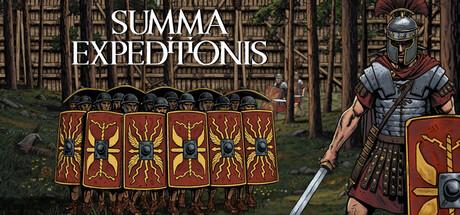
You take a Roman expedition into the wild north of Hispania and turn a bare camp into a working stronghold, gathering resources, raising defenses, and putting each legionary to a task. The Roman setting gives the whole management side a grounded, authentic feel, and the procedural world means every expedition hands you a different land to read and hold. Directing soldiers into a functioning outpost is the heart of it, and the climb from common soldier to centurion gives that work a clear direction. It rewards players who enjoy deep settlement mechanics and strategic exploration, including relocating camps to chase better ground. What holds it back is a rough edge: bugs, unreliable combat AI, and an unclear tutorial that makes a steep early learning curve harder to get past. Past that opening, the building and the progression carry it.
- Single-player
- 1 player
- Windows


What’s good
- The immersive Roman setting and historical details make the management feel authentic
- The game offers deep colony sim mechanics with resource gathering and base building
- The developer is active and responsive to community feedback in Discord
- Managing soldiers to gather resources and build creates a compelling gameplay loop
- The progression from legionary to centurion provides a satisfying sense of growth
- The procedural world generation ensures high replayability with unique expeditions
- Relocating camps allows for strategic exploration and resource exploitation
What’s not
- Bugs such as disappearing items, AI failures, and crashes disrupt gameplay
- The steep learning curve and unclear tutorial make early mechanics confusing
- Combat AI is often unreliable, causing soldiers to ignore commands or die easily
- Inventory and crafting systems can be tedious and unintuitive to manage
Lead a Roman expedition into the wild north of Hispania. Start with a small camp, gather resources, build barracks and fortifications, and put your legionaries to work and to arms. Bears, wolves and hostile tribes are waiting out there, and the frontier lays itself out differently each time. Survive it, and rise from legionary to centurion.
From expedition camp to Roman stronghold
That rise begins with a patch of wilderness and a small expedition camp. You gather resources, put up barracks and workshops, and add defenses so the camp can hold its ground. Each structure turns the expedition into something permanent: a frontier camp with soldiers to house, equipment to craft, and walls to maintain. Then the land keeps pushing back. The territory is harsh and unpredictable, so you decide where to fortify, what to build next, and how many soldiers to keep on the walls versus the work. As the camp grows into a stronghold, so does what is asked of you, and your path from common legionary to respected centurion follows the settlement you carved out of the wilds.

Assigning your legionaries
A stronghold only works if someone is doing the work, so you put your soldiers to it. Each one gets a task: gathering resources, crafting equipment, or standing watch over the settlement. That means deciding who feeds the camp and who defends it, and living with what those choices cost. The decisions pile up as your influence spreads across the frontier, and the responsibilities grow with it. You started as a lone legionary with a small expedition; now you are directing the whole outpost, and the path from common soldier to respected commander of Rome's expedition runs straight through the camp you built and the men you put in charge of it.

Surviving the frontier wilds
Commanding those men is one thing. The land beyond the camp walls is another matter: hostile tribes, harsh conditions, and the dangers of unexplored territory. Each expedition generates a fresh world, so the challenges in front of you are never the same twice, and a plan that worked last time does not carry over intact. You have to read the new land before you commit your soldiers to it. Combat rewards that preparation. Bears, wolves and barbarian tribes do not wait for you to be ready, so the fight is won or lost in the choices you make beforehand: who goes, what they carry, and where you put them. Walk in unprepared and the frontier will make the point for you.

The mission at the edge of the Empire
All of that fighting and building serves one order. Summa Expeditionis is a colony sim and base building game set in the ancient Roman Empire, and you are a Roman legionary sent to its outer edge. The wild north of Hispania is far from the safety of Rome, with no camp to fall back on and no relief column promised. Everything else follows from that. The resources you gather, the walls you raise, and the soldiers you command are all in service of holding a piece of land Rome does not yet control, and every decision you make is measured against whether the camp is still standing at the end of it.
Questions about Summa Expeditionis?
What is the core gameplay loop?
You gather resources, construct barracks, workshops and defenses, and assign your soldiers to gather, craft and defend. The camp grows from a small expedition into a frontier stronghold, and each new structure and each new recruit feeds back into the work of holding the territory.
How does the progression system work?
You start as a common legionary and rise through the ranks toward centurion.
Can you play it solo?
The game is singleplayer, so you lead the expedition and make every call about where to build, who to assign, and when to fight.
What does the game look and feel like?
The Roman setting and its historical details give the management a grounded, authentic feel, and the frontier around your camp is harsh and unpredictable.
Is there a tutorial to learn the mechanics?
The early mechanics can be confusing to pick up, and the learning curve is steep at the start. Give yourself time with the first camp before judging the rest of it.


